Craftsmanship
The Art of Barrel Selection: A Master Distiller's Guide
Inside the rickhouse walk, the honey barrel, and how one cask becomes a single barrel release.
Eleanor Hayes
Master Distiller, Bourbon & Oak

There is no shortcut to a great single barrel bourbon. There is no algorithm, no spectrometer reading, no software that picks the right cask for you. There is a quiet walk through a Kentucky rickhouse with a whiskey thief in your hand, a tasting glass in the other, and a memory built over decades of pulling samples in rooms that smell of toasted vanilla and damp oak. That walk — what we simply call a barrel pick — is where the bourbon you eventually drink is decided.
Most bourbon, including most very good bourbon, is married together from many barrels to produce a consistent house style. A single barrel release is the opposite philosophy: it isolates one cask that the master distiller believes is unusually good and bottles it on its own, in vanishingly small quantities, with the barrel's number, warehouse, and rick position often printed right on the label. Done well, single barrel is the most personal expression in American whiskey. Done lazily, it's just one barrel of average bourbon with a higher price tag. The difference comes down to the pick itself.
What a Master Distiller Actually Looks For
Before tasting a single drop, the pick begins with the barrel itself. American Standard Barrels are built from new charred Quercus alba — American white oak — and the depth and duration of that interior char is graded one through four. A char level 4 barrel, sometimes called an alligator char because the carbonized surface cracks into a scaled pattern, exposes the spirit to more caramelized wood sugars and produces a darker, sweeter, more aggressively oak-forward bourbon. Lower char levels give finer, more delicate spirits with more fruit and floral character. Neither is better. Both are tools.
The barrel's life in the warehouse matters even more than how it was built. A bourbon barrel resting on the top floor of a Kentucky rickhouse, where summer temperatures routinely climb past 100 degrees, will push and pull through the wood much more aggressively than a barrel on the cool, damp first floor. The whiskey from up top — think of an uncut, unfiltered release like George T. Stagg — tends to be darker, more concentrated, more oak-driven; the whiskey from the bottom is paler, lighter on the palate, often more delicate. The same mash bill, distilled on the same day, can become two genuinely different bourbons depending only on where its barrel sat for ten years.
The Walk: What Happens on a Barrel Pick
A typical pick at our distillery starts before dawn. We meet the warehouse manager at the loading dock with a clipboard, a copper whiskey thief, and a stack of Glencairn tasting glasses. The manager has already pulled six to ten candidate barrels — usually from the third, fourth and fifth floors, sometimes higher — based on a combination of mash bill, age, and the master distiller's standing notes from previous walks. The candidates are lined up along the rick and numbered.
We pull a small sample from each, neat, at full proof. We nose first — eyes closed, nothing else in the room competing — and then taste, often without water, looking for the architecture of the spirit. Is there a strong oak spine? Does the corn come through as bright caramel or muddy fudge? Does the mid-palate have layers, or does it open and close in the same beat? Is the finish long and oily, or is it short and hot? We are rarely looking for the highest-proof barrel or the most aggressive barrel. We are looking for the one whose elements are in balance, whose flavor structure is most distinct from a house-style small batch.
- Nose at full proof first, then with a single drop of cool water to lift volatiles.
- Taste neat, then again with water — the right barrel improves both ways.
- Hold each sample 8 to 12 seconds. Long finishes are the single best signal of a great cask.
- Reject anything that reads as out of balance: thin mid-palate, harsh char, dominant single note.
- When two candidates are close, prefer the one with more distinct character over the one with cleaner balance — a single barrel exists to be different.
Why Char Level and Mash Bill Matter Before You Even Smell It
The legal definition of bourbon requires a mash bill of at least 51% corn, aged in new charred American oak. Inside that frame, distilleries express their identity through grain ratios. A high-corn mash like the one we use for our flagship 12 Year Reserve will produce a sweeter, vanilla-and-caramel-driven spirit. A higher-rye mash will give you more pepper, baking spice and dryness on the finish. A wheated mash, which substitutes wheat for rye, will run softer and more honeyed. None of this changes during aging, but the wood interacts with each style differently — a high-rye spirit on top floors can become harsh; a wheated spirit on the same floors often deepens beautifully into honeyed leather.
Char level interacts with all of this. The deeper the char, the more the whiskey penetrates into the toasted layer just below the carbonized surface, where caramelized wood sugars live. That layer is the source of the classic bourbon sweetness. With a low-rye, high-corn mash, a level 4 char can push a barrel into syrupy territory. With a high-rye mash, that same char often produces the most balanced, beautifully integrated bourbon in the warehouse. The pick is a constant negotiation between mash, char, and time.
Rick Position: The Single Most Underrated Variable
A nine-story Kentucky rickhouse is, in effect, nine different climates stacked on top of each other. In the summer, top-floor temperatures regularly hit 110 to 115 degrees Fahrenheit; bottom floors stay in the mid-70s. Across a ten-year aging cycle, that delta produces an enormous difference in how a barrel evolves. Top-floor barrels lose more volume to evaporation — what the industry charmingly calls the angel's share — and the bourbon left behind is darker, denser and more oak-forward. Bottom-floor barrels evaporate less, age slower, and produce paler, more delicate whiskey with more grain character.
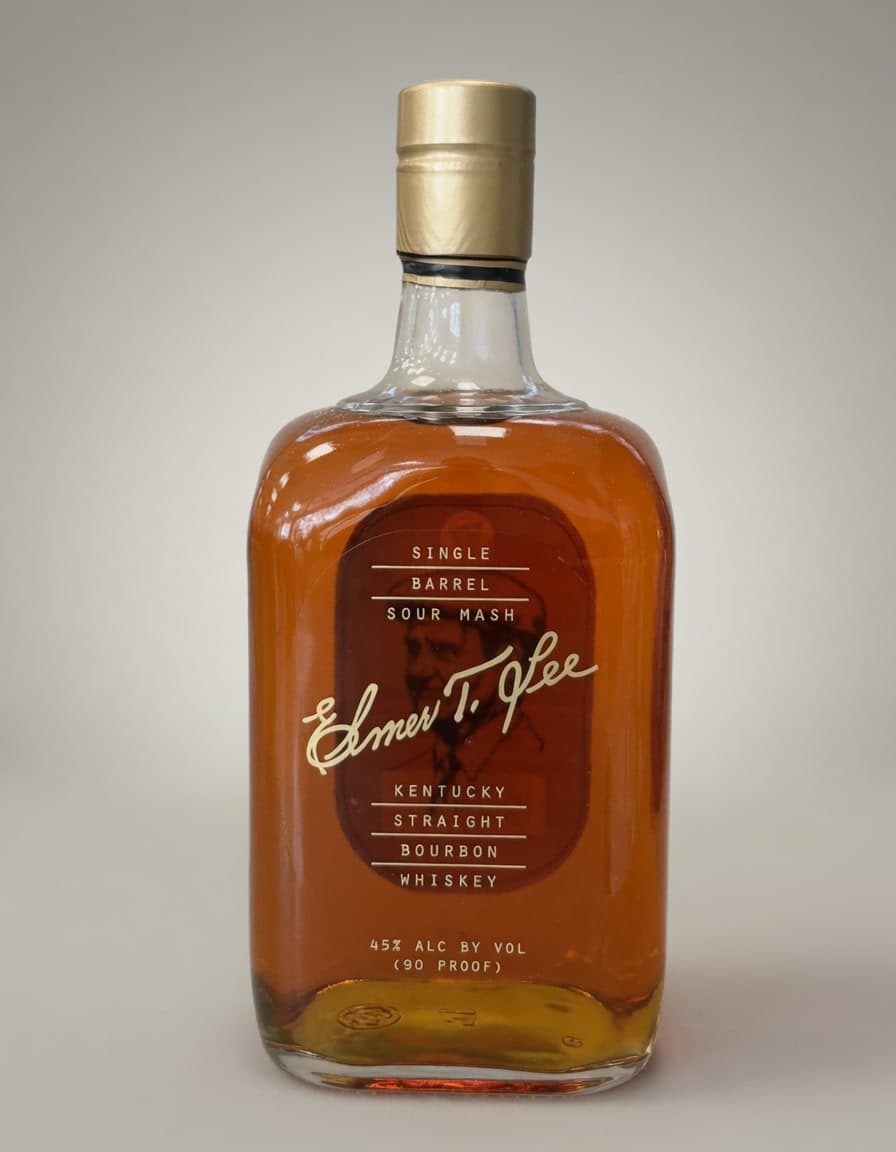
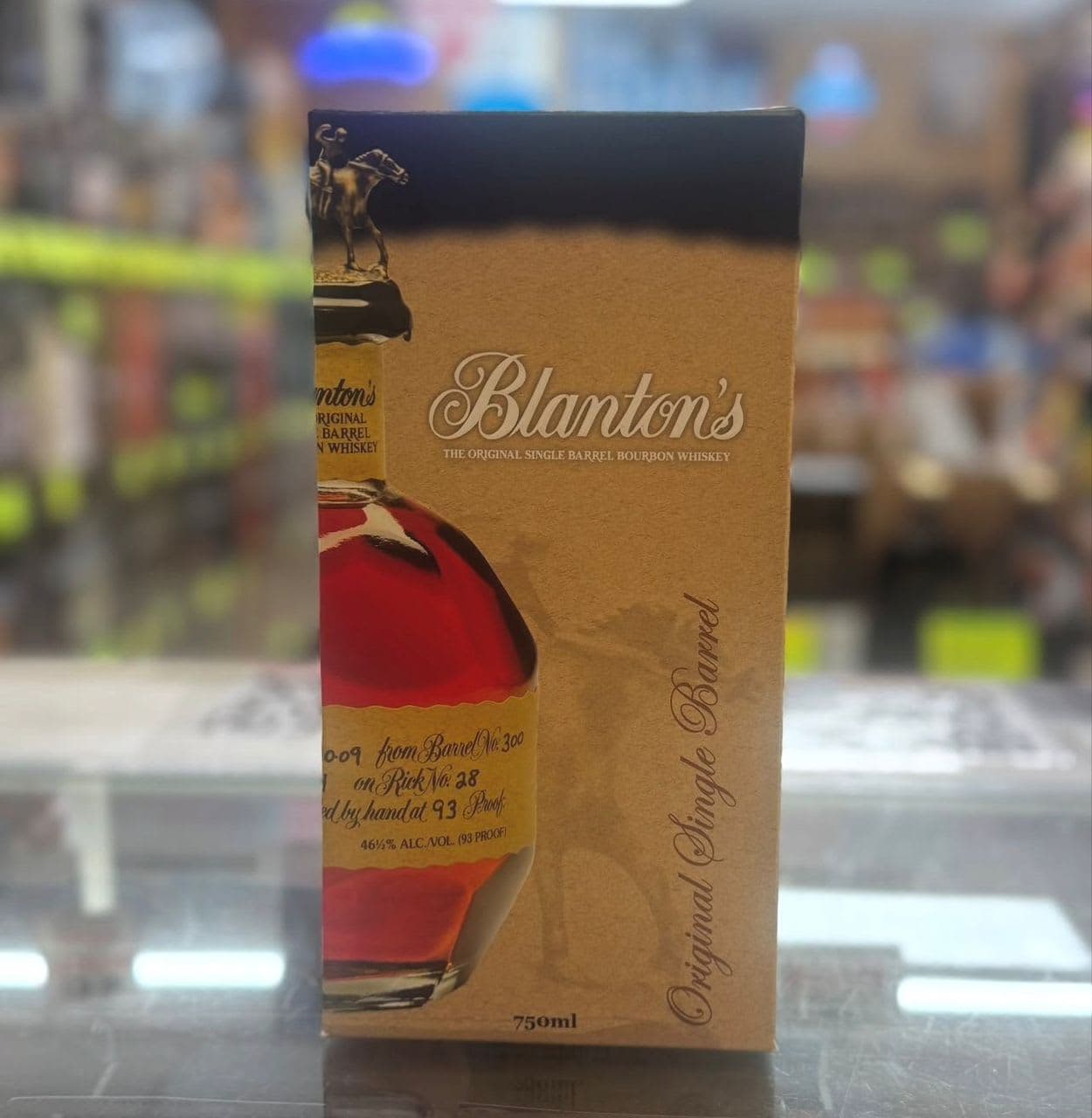
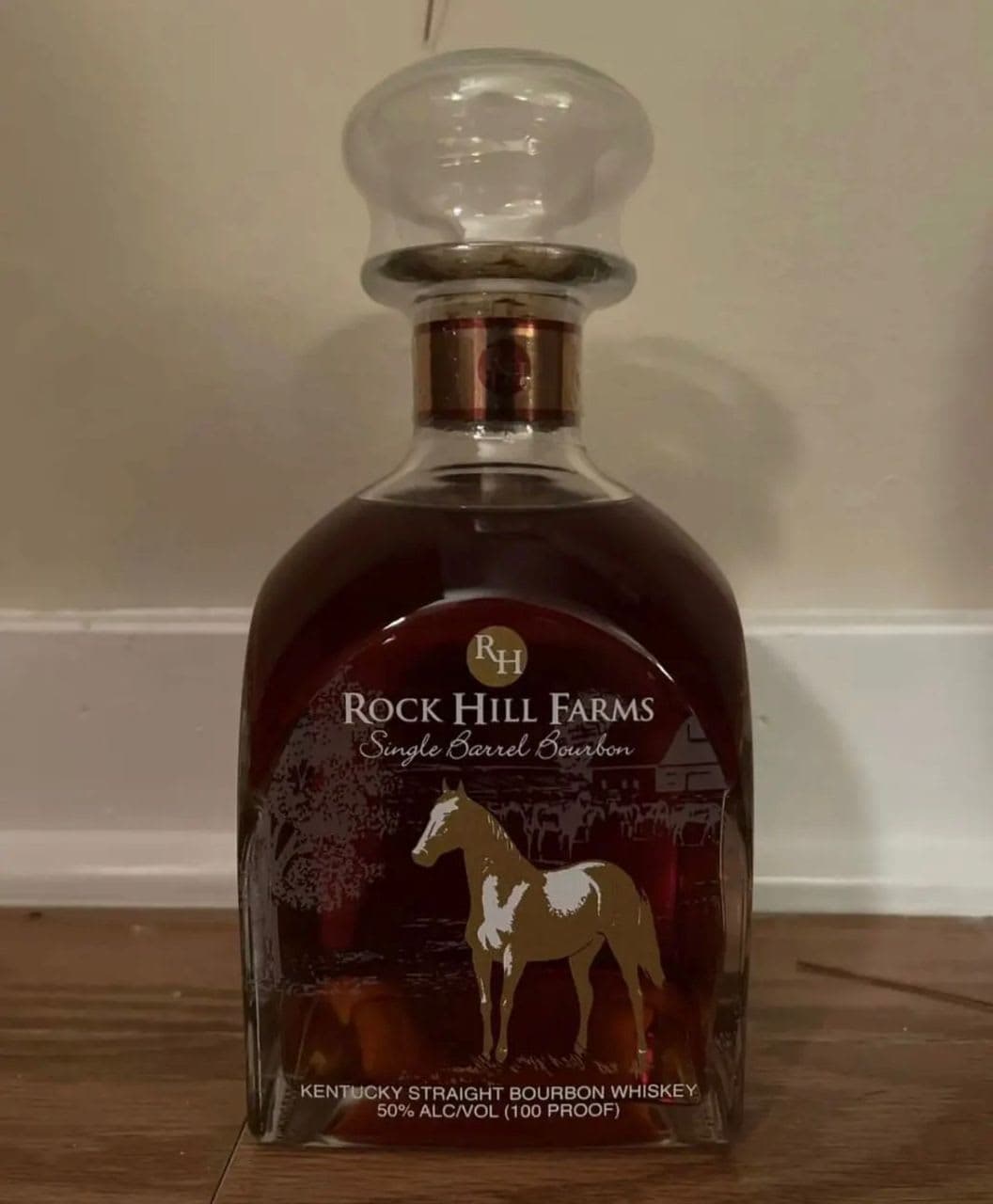
Most distilleries don't print the rick position on the label, but they know exactly where every single barrel they bottle was aged. Some single barrel programs publish the floor and rick. Blanton's, the very first single barrel bourbon, lives entirely in Warehouse H — a rare metal-clad rickhouse at Buffalo Trace that ages bourbon faster and more evenly than its brick siblings. Stablemates like Elmer T. Lee and Rock Hill Farms come from the same Mash Bill #2 program. The choice of warehouse is as much a part of the recipe as the mash bill.
The Numbers Behind the Pick
Across the Kentucky industry, the math of single barrel is brutal. A typical bourbon barrel holds about 53 gallons going into the rickhouse. After ten Kentucky summers, evaporation losses cut that to roughly 40 gallons, which yields about 200 bottles at 90 proof. A modern rickhouse can hold somewhere between 20,000 and 50,000 barrels. Of those tens of thousands, perhaps two or three percent will be picked out for single barrel programs in a given year. The rest go to small batch, standard, or — for whatever didn't develop well — bulk programs.
That two percent is what serious bourbon drinkers are chasing. It is the population from which the honey barrels emerge. And the only way to find one is to walk the warehouse, pull samples, taste in silence, and trust the years of palate memory that tell you when a barrel is ready and when it isn't.
What This Means for Your Next Bottle
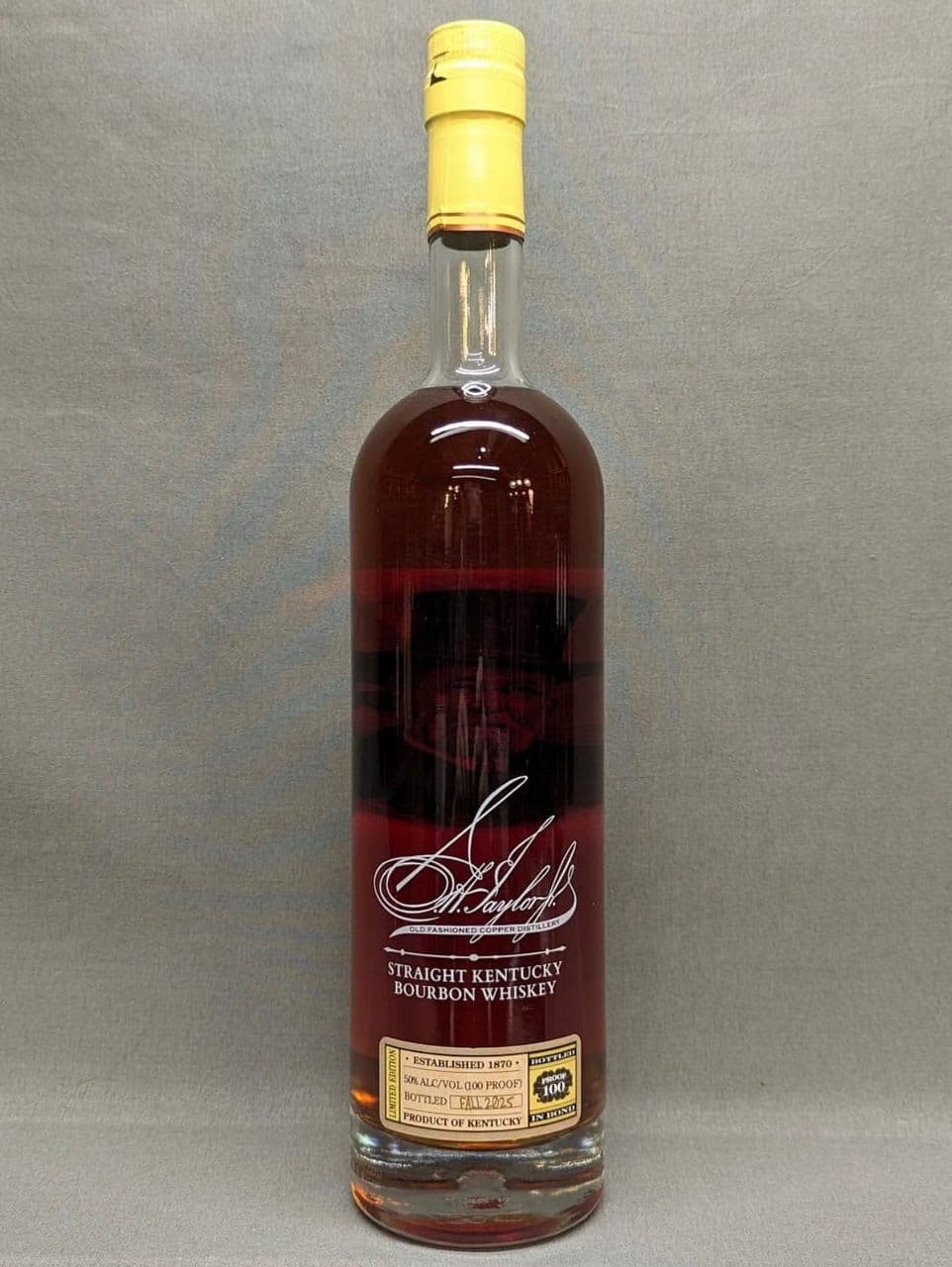
If you buy a single barrel bottling like E.H. Taylor Single Barrel or any serious Kentucky single barrel, you are buying the result of a deliberate human decision made by someone who walked a warehouse before sunrise, who pulled samples in the cold, who tasted twelve candidates to bottle one. The number on the label corresponds to a real barrel, in a real warehouse, on a real floor. The flavors in your glass are not abstractions. They are the particular interaction between one mash, one char, one floor, and one stretch of Kentucky weather.
That is the part of bourbon I love most. Not the marketing, not the bottle, not the score. The fact that somewhere up in a metal-roofed rickhouse, a single oak cylinder full of slowly evolving spirit became, after ten quiet years, the bourbon you're about to pour. Drink it slowly. Try it neat first, then with a drop of water. Notice the long finish — the cleanest signal a great pick leaves behind — and remember that nobody, including the master distiller, knew exactly what they had until the cask was tapped.
Tagged