Distillery News
New Rickhouse Opening: Expanding Our Aging Capacity
Rickhouse No. 7 adds 20,000 barrels of capacity, a custom temperature-monitored top deck, and the first metal-clad warehouse on our grounds.
Eleanor Hayes
Master Distiller, Bourbon & Oak

Rickhouse No. 7 — our seventh purpose-built aging warehouse on the Bardstown campus — opened for stocking this April. It is the largest warehouse we have ever raised, the first we have built in nearly thirty years, and the first that uses a metal-clad exterior rather than the painted brick of our six older buildings. The structure adds capacity for roughly 20,000 standard 53-gallon barrels and, more importantly, gives us the ability to age in a thermal envelope we have never had on our property before. Here is what the new warehouse looks like, what it means for the bourbon we will release out of it in the early 2030s, and why we made every choice we made.
The Scale and the Numbers
Rickhouse No. 7 is seven stories tall, with 35 rick rows per floor and 81 barrels per rick — a total stocked capacity of roughly 20,000 American Standard Barrels. Across the seven floors, the temperature delta between the cool first floor and the sun-baked top floor will reach 35 to 40 degrees Fahrenheit during peak Kentucky summer, which is the engine of the kind of aging behavior we want: aggressive thermal cycling that pulls spirit deep into the toasted layer of the oak and pushes it back out again, week after week, summer after summer, year after year.
- Total capacity: 20,000 American Standard Barrels (53 gallons each)
- Footprint: 7 floors × 35 ricks × 81 barrels per rick
- Estimated angel's share over a 10-year cycle: 25 to 35 percent of original volume
- Construction time: 22 months from groundbreaking to first stocked barrel
- First barrels stocked: April 2026 — earliest release window from this warehouse is 2030
Why Metal Cladding, Not Brick
Most of our existing rickhouses are brick-clad — the classic Kentucky warehouse silhouette. Brick has well-known advantages: it buffers temperature gradually, it ages slowly, it looks unmistakably like Kentucky bourbon country. But brick also limits the speed and intensity of the temperature swing inside a warehouse, which means barrels age more slowly and more uniformly across floors. That is a feature, not a bug, for most of what we bottle. For one specific category, though, it isn't quite right.
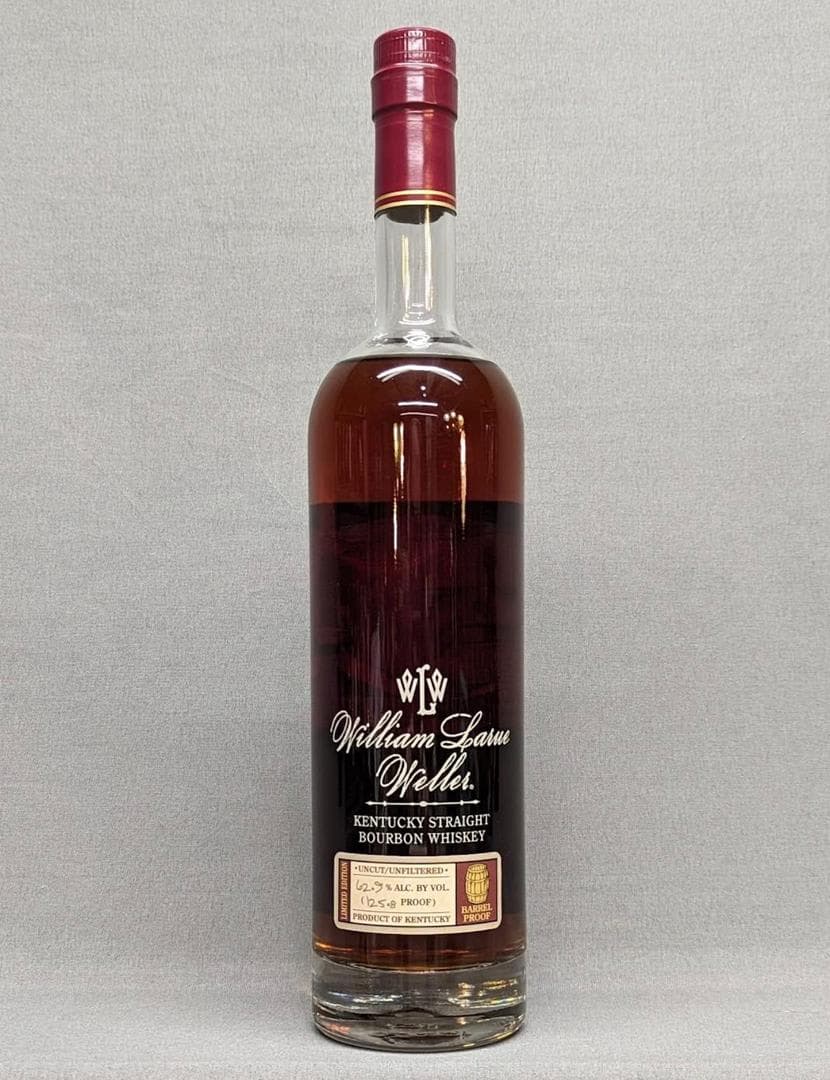
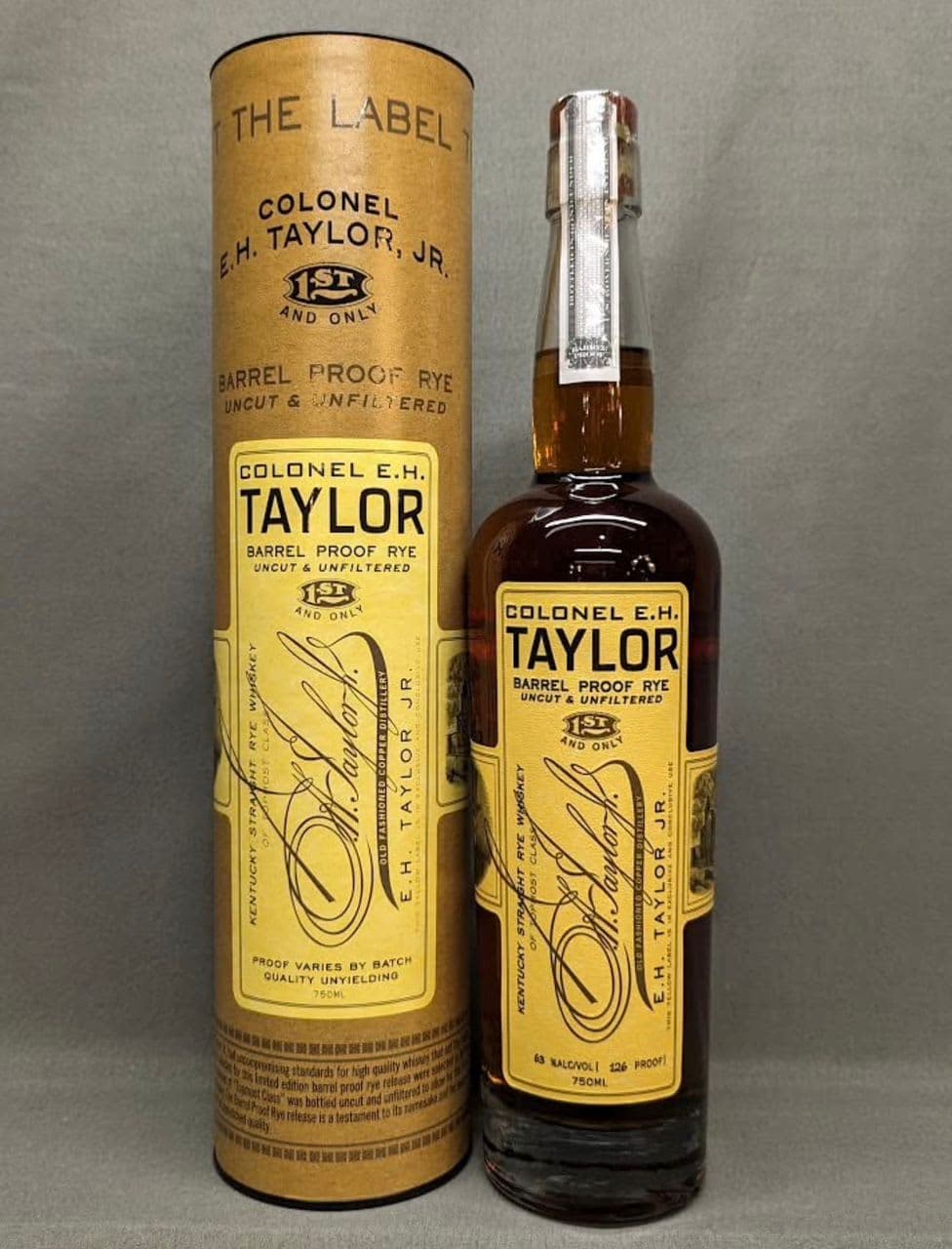
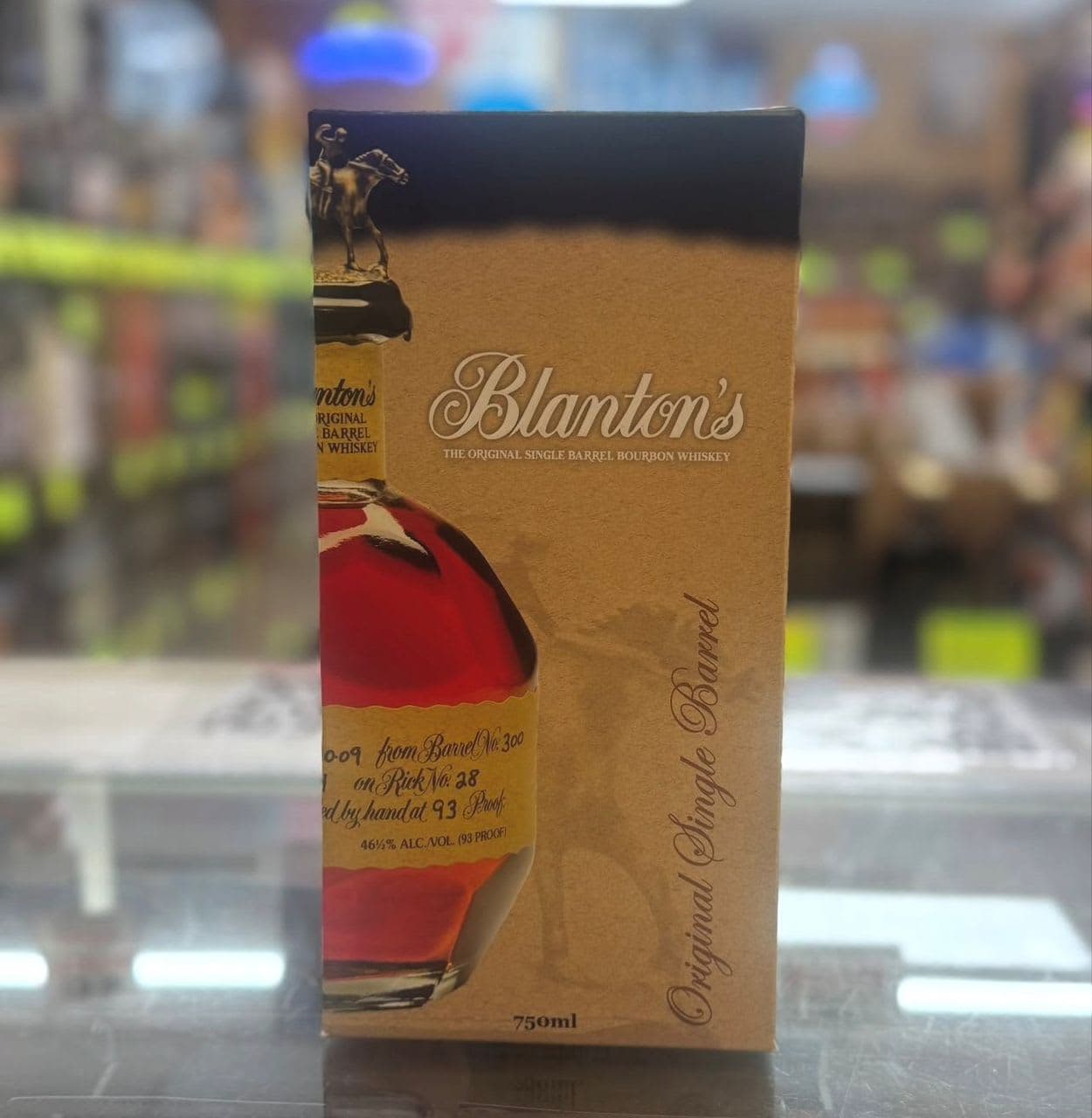
Metal-clad warehouses heat faster, cool faster, and produce more aggressive seasonal cycling than brick. The most famous example in American bourbon is Warehouse H at Buffalo Trace, where Blanton's has been aged for decades. Metal-clad warehouses age bourbon with a more concentrated, more oak-forward character, and they reach drinkable maturity meaningfully sooner than brick — by some measures, two to three years sooner for the same target flavor profile. We built No. 7 in metal specifically because our planned barrel-proof releases like E.H. Taylor Barrel Proof and limited editions like William Larue Weller will benefit from this faster, more concentrated style of aging.
Floor-by-Floor Temperature Monitoring
Every floor of Rickhouse No. 7 is wired with calibrated temperature and humidity sensors at three rick positions per floor — front, middle and back. The data writes to our warehouse management system in 15-minute intervals and is queryable, by barrel, for the entire life of every cask we age in the building. When we walk the floors for a single barrel pick in 2031, we will not only know the floor and rick number — we will know the heat history of every individual barrel in the candidate set. That is a level of provenance we have never had on our older campuses.
The point is not to chase numbers. Bourbon does not become great because it spent a particular number of degree-days above 95 degrees Fahrenheit. Bourbon becomes great because of the combined judgment of distillers walking the warehouse and tasting in silence. But the data lets us understand, after the fact, why a barrel turned out the way it did — and that long feedback loop is how a distillery's program improves across decades.
What This Means for the Bottles You'll Drink
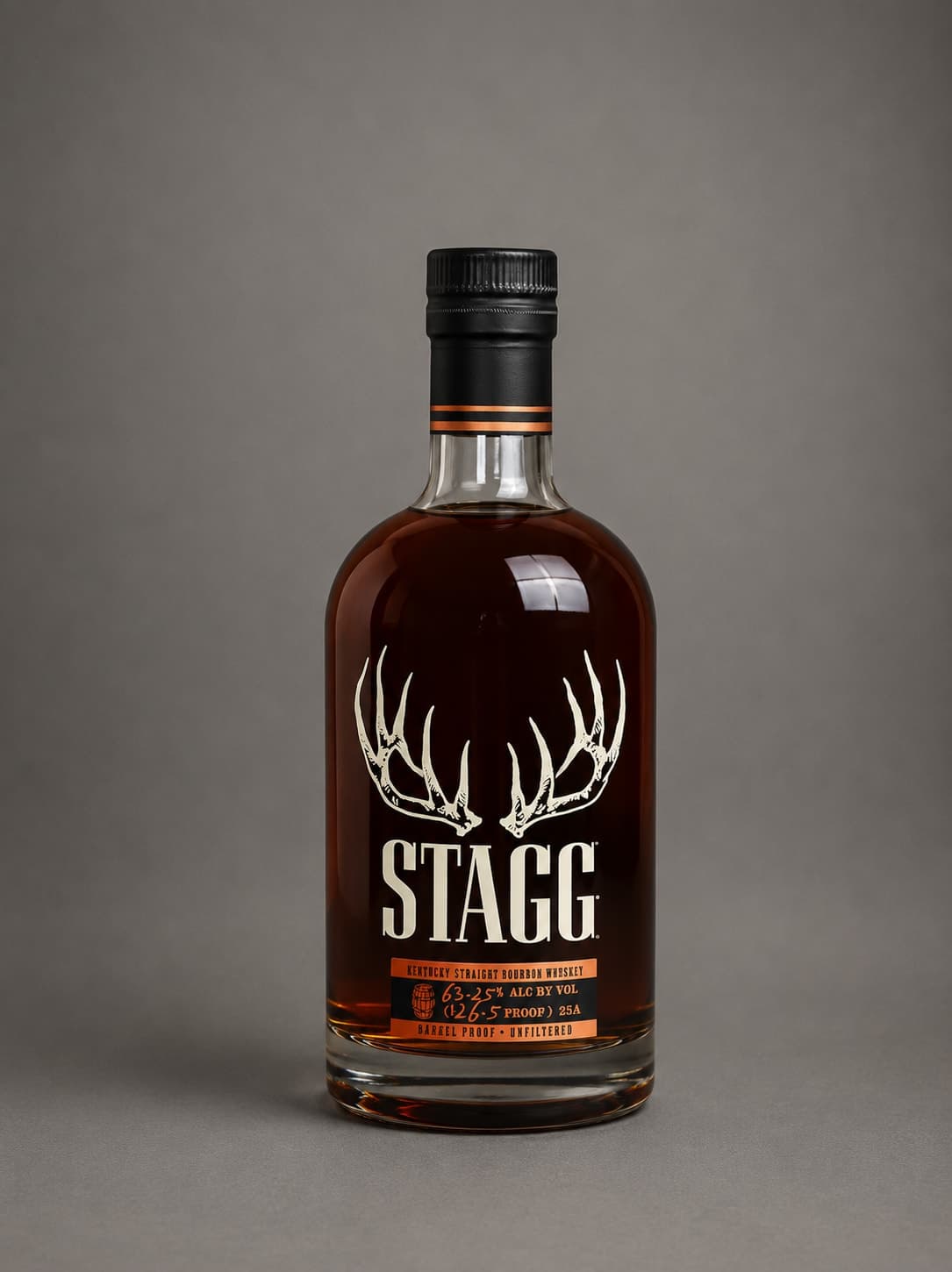
The bourbon stocked into Rickhouse No. 7 in spring 2026 will not be ready to bottle until at least 2030 — four years for entry-level age statements, ten years and beyond for our reserve and limited edition programs like Weller 12 Year and Pappy Van Winkle 20 Year. The releases you'll see from this warehouse will lean toward our barrel-proof and single barrel programs first, with the deeper-aged products following a few years behind. We expect the in-glass character to be a touch more oak-forward, slightly drier on the finish, and a bit more concentrated than the equivalent age-statement bottle from our existing brick warehouses.
When the first bottles emerge, they will carry a small additional notation on the back label — the rickhouse number — so you can taste the same expression aged in metal cladding and compare it against the brick-aged version side by side. That kind of transparency is something we've wanted to give our customers for years. Rickhouse No. 7 is the first project we've built where the architecture itself was designed to make that comparison possible.
A Note on Sustainability
Two practical environmental choices on this build worth noting. First, the roof and south-facing cladding carry solar arrays sized to offset more than the entire electrical load of the warehouse's monitoring, lighting and forklift fleet — the building, in operational terms, is net negative on grid electricity from day one. Second, the construction lumber inside the rick framing is locally milled white oak from a managed Kentucky forest, the same forest from which our future barrel cooperage will increasingly source. Both choices added cost. Both choices were the right ones for a building that will, with luck and good maintenance, still be in service when the great-grandchildren of our current cellar team are doing the picks.
If you're ever passing through Bardstown, we are happy to show you the new warehouse on our regular distillery tour — the tour now ends in Rickhouse No. 7 with a tasting of three side-by-side bourbons aged in our different warehouse types. Booking opens 30 days ahead at the distillery shop. We'll keep you posted as the first barrels from No. 7 work their way toward release.
Tagged